Ever wondered how to improve your creativity and stay inspired? Why some designers have been a lot more successful than others? Well read on... I recently wrote a post for the design life , which also featured here, titled, " The Most Important Word You Use Is Why !" The post was inspired by an incredibly motivating Design Indaba presentation by Sir John Hegarty, that I was lucky enough to attend back in 2013. Just the other day, I was reading through the design press and I stumbled upon a fantastic article at The Drum by Ishbel Macleod . The feature was based on Sir John Hegarty's 2014 book, 'Hegarty on Creativity' and lists his top 10 ways to be more creative. Check out number 8... 'Ask Why? A lot!' I have re blogged the list below as it makes for super reading: 1 Be fearless - be single minded in the face of opposition 2 Keep it simple - don't try to say or do too many things at once 3 Stop thinking, start feeling -creativity is driven by the heart...
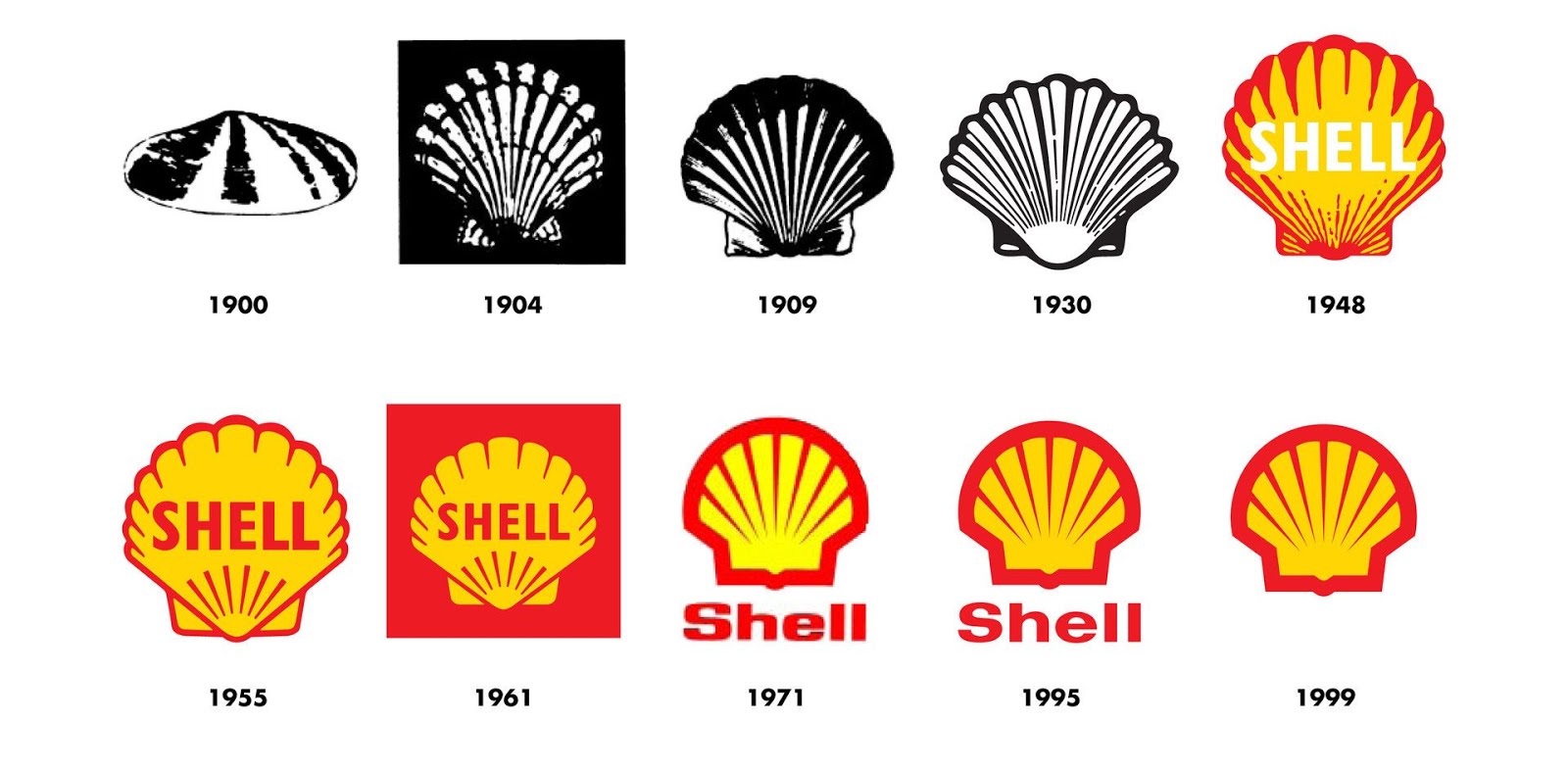
This is the history of one of the worlds most recognised brands. For more than 100 years the Shell pecten emblem and distinctive red and yellow colours have visualised the Shell brand and promoted the company's products and services all over the world. The Shell logo has changed considerably since it's inception in 1900, yet you can still apreciate it's iconic form, whether viewing the original logo or in its current form. I always remember Michael Wolff recounting his work on a redesign of the Shell logo, whilst running his agency, Wolff Olins. Wolff chose to simply warm up the colours. As he says, sometimes its what you don't change, that can be as important as what you do. That couldn't be more true than with the the iconic symbol of the red and yellow shell icon. I stumbled across this brief history of the brand on the company website and thought it was well worth a read. The word Shell first appeared in 1891, as the trademark for kerosene shipped to the Far E...
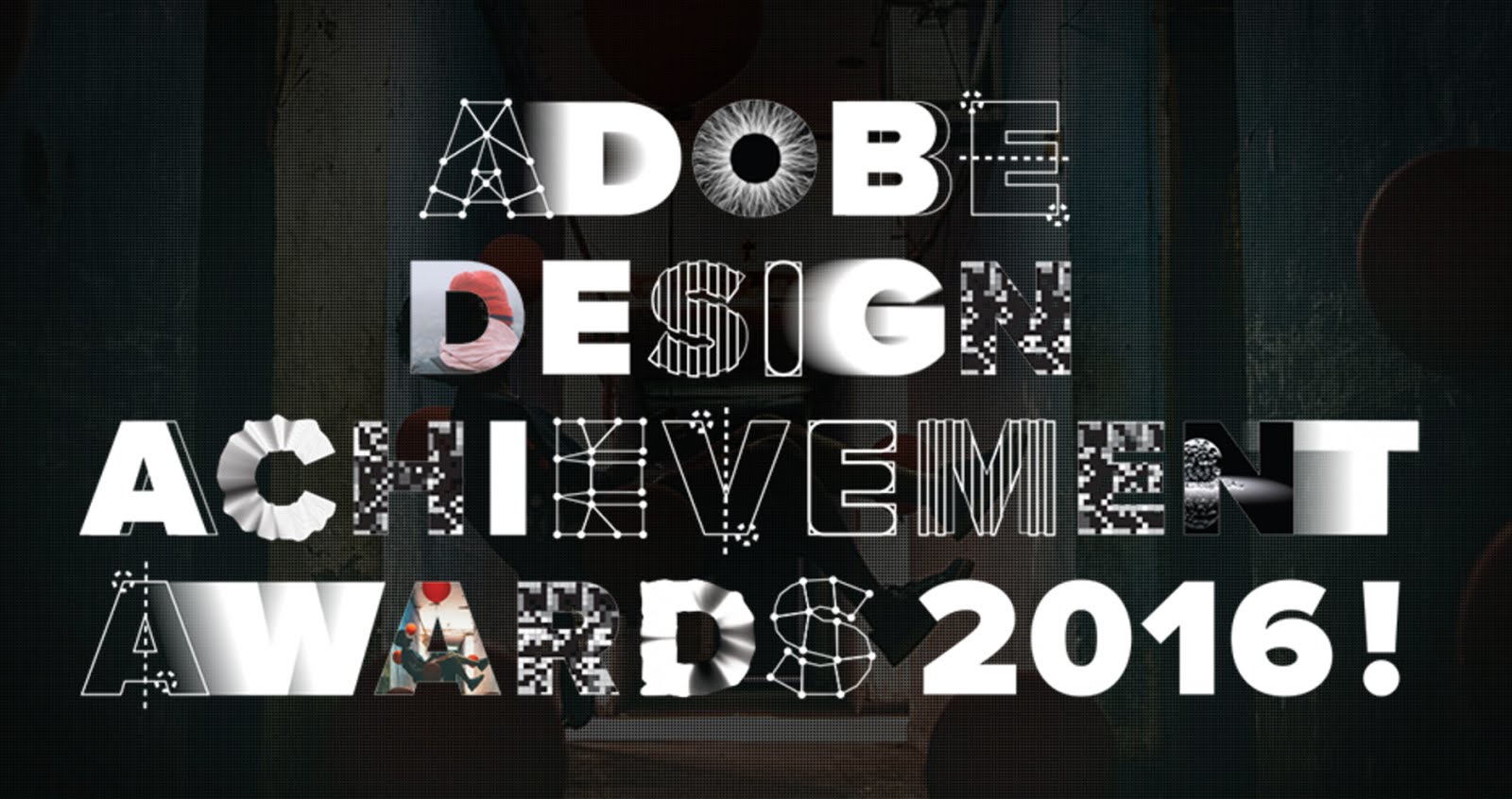
For the past five years I have had the great pleasure of being selected as a mentor for the ico-D and Adobe design Achievement Awards . This year however, I had the added bonus of also being chosen as a pre selection judge! I really enjoy what the awards stand for and it always feels so good to be able to support young design talent! Below are some of the fantastic young/student designers that I discovered, whilst judging the awards. There's some amazing talent here! If your hiring new creatives I would certainly urge you to view some of these talented young design stars of tomorrow and please support the ADAA! https://www.behance.net/ gallery/35944337/COP-25- United-Nations-Climate-Change- conference https://www.behance.net/ gallery/27135599/environment https://www.behance.net/ gallery/36153385/Sanfonzon- Street-pop-up-book https://www.behance.net/ gallery/33968594/Letter-for- Truth-Logo https://www.behance.net/ gallery/30570553/ Beruehrungsangst-fear-of- touching https://www.beh...
Comments
Post a Comment